

Women Empowerment Through Education: Creating Sustainable Change
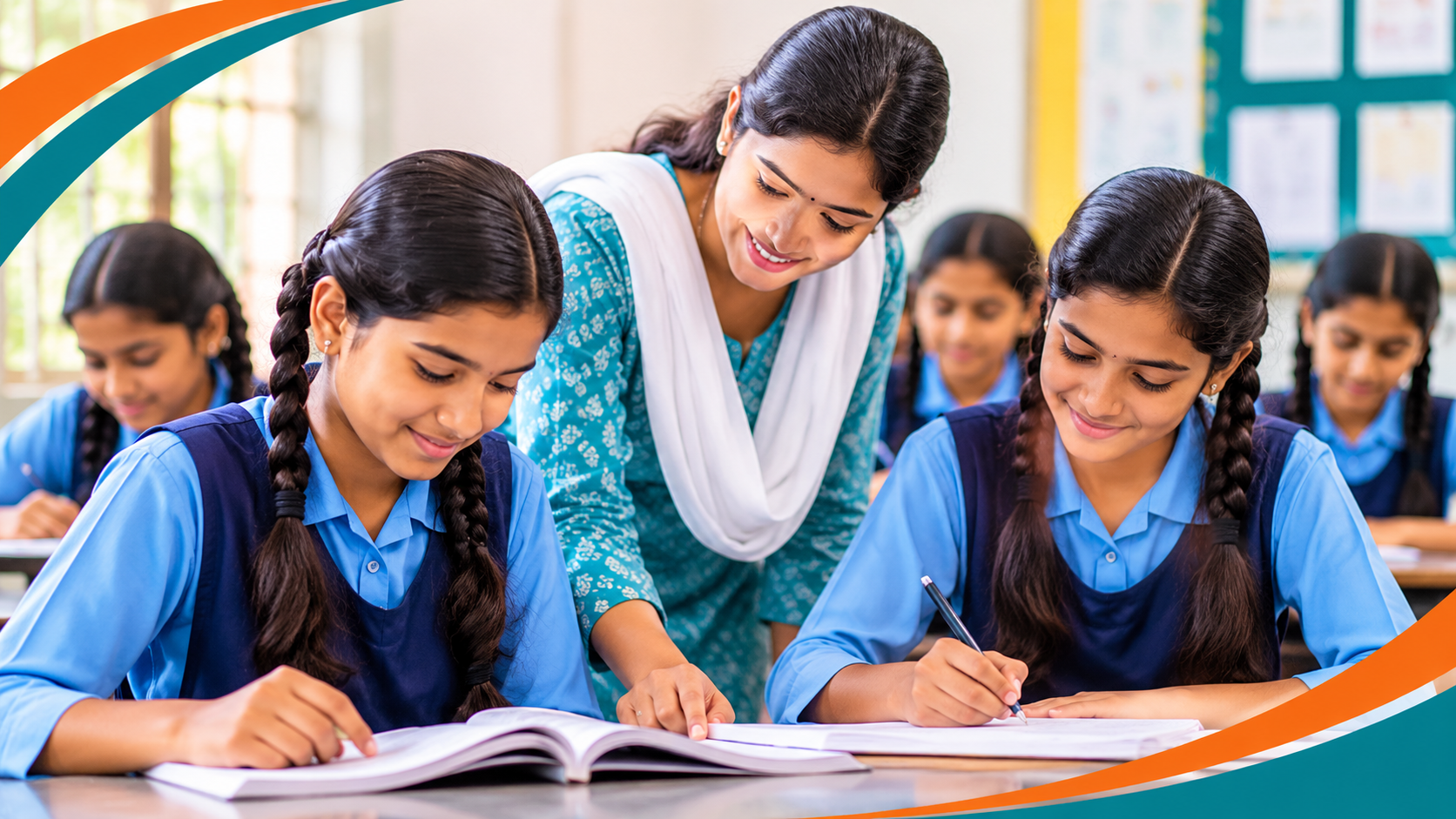
Education is one of the most powerful tools for transforming lives and building an equal society. It provides individuals with knowledge, confidence, skills, and opportunities to make informed decisions about their future. For women and girls, education is much more than academic learning—it is a pathway to independence, dignity, leadership, and long-term social development.
In India, women have made significant progress in education, employment, and social participation. However, many women, particularly in rural and economically disadvantaged communities, continue to face challenges such as limited educational opportunities, financial dependence, social restrictions, and unequal access to resources.
Women empowerment through education plays a crucial role in addressing these challenges. When women receive quality education, they become better equipped to pursue careers, support their families, participate in decision-making, and contribute to community development.
At Manav Vikas Sanstha (MVS India), we believe that empowering women through education, skill development, awareness, and livelihood opportunities is essential for creating sustainable change.
What Is Women Empowerment Through Education?
Women empowerment through education refers to the process of providing women and girls with equal access to learning opportunities, knowledge, practical skills, and resources that enable them to become independent and confident individuals.
Education helps women understand their rights, explore employment opportunities, improve financial awareness, and participate actively in society.
It also challenges traditional gender stereotypes and encourages communities to recognise the importance of equal opportunities for everyone.
Women empowerment through education includes:
- Access to quality education for girls and women.
- Digital literacy and technology awareness.
- Vocational and professional skill development.
- Financial literacy and entrepreneurship education.
- Awareness of legal rights and gender equality.
- Leadership and decision-making skills.
- Health, hygiene, and reproductive health education.
When these opportunities are accessible to women from all backgrounds, education becomes a powerful foundation for social and economic transformation.
Why Is Education Important for Women’s Empowerment?
Education creates opportunities that extend beyond classrooms. It helps women develop the confidence and capabilities needed to improve their lives and influence positive changes within their communities.
Here are some important ways education contributes to women’s empowerment.
1. Promotes Financial Independence
Financial independence is one of the most important aspects of women empowerment.
Educated women have better opportunities to access employment, develop professional skills, start businesses, and generate sustainable income.
Education also improves financial awareness by helping women understand savings, banking, budgeting, digital payments, and financial planning.
When women become financially independent, they gain greater control over their decisions and contribute more effectively to household and community development.
2. Improves Health and Well-Being
Education plays an important role in improving women’s physical and mental well-being.
Educated women are better positioned to understand healthcare information, nutrition, hygiene, maternal health, and reproductive health.
Awareness of menstrual health and hygiene is particularly important for adolescent girls, as misinformation and social stigma can negatively affect their confidence, health, and education.
Community-based awareness programmes help women and girls make informed health decisions and encourage healthier lifestyles.
3. Encourages Gender Equality
Education helps challenge harmful stereotypes and discrimination based on gender.
When girls receive equal educational opportunities, they are more likely to pursue their interests, develop professional ambitions, and participate in decision-making.
Educated women can also become role models who encourage other girls to continue their education and pursue their goals.
Gender equality through education creates a society where opportunities are based on ability, knowledge, and potential rather than gender.
4. Strengthens Family and Community Development
The benefits of women’s education extend to entire families and communities.
Educated mothers often play an important role in supporting children’s learning, understanding healthcare needs, and making informed household decisions.
Women who gain knowledge and practical skills can also contribute to local economic activities, community awareness, and social development initiatives.
Therefore, investing in women’s education is also an investment in future generations.
5. Builds Confidence and Leadership Skills
Education encourages women to express their opinions, communicate effectively, solve problems, and participate in important decisions.
These capabilities help women take leadership roles in workplaces, community organisations, Self-Help Groups (SHGs), and local development initiatives.
Leadership development also enables women to advocate for their rights and contribute to positive social change.
Major Challenges Affecting Women’s Education in India
Despite improvements in educational access, several barriers continue to prevent women and girls from receiving equal learning opportunities.
Understanding these challenges is essential for developing effective and sustainable solutions.
1. Financial Barriers
Economic difficulties remain a major reason why girls from disadvantaged families may struggle to continue their education.
School-related expenses, transportation costs, educational materials, and household financial responsibilities can affect educational continuity.
2. Social and Cultural Restrictions
In some communities, traditional beliefs and gender stereotypes limit educational opportunities for girls.
Early marriage, household responsibilities, and expectations around gender roles may prevent girls from completing their education.
3. Limited Access to Digital Education
Digital literacy has become increasingly important for education and employment.
However, women in underserved communities may have limited access to smartphones, computers, internet connectivity, and digital learning resources.
This digital divide restricts their ability to access online education and emerging employment opportunities.
4. Lack of Awareness
Many women and families are unaware of educational opportunities, government initiatives, vocational programmes, and available support systems.
Community awareness and guidance are essential to help women understand the opportunities available to them.
5. Limited Skill Development Opportunities
Traditional education alone may not always provide the practical skills required for employment.
Women also need access to vocational training, entrepreneurship education, digital skills, and career guidance to improve their livelihood opportunities.
How Education Creates Sustainable Change for Women
Sustainable empowerment requires more than providing temporary assistance. It involves building long-term capabilities that enable women to become independent and actively participate in society.
Education supports sustainable development in several important ways.
Access to Quality Education
Providing equal educational opportunities to girls and women creates the foundation for lifelong learning and personal development.
Schools, educational institutions, NGOs, and community organisations can work together to improve educational access in underserved areas.
Vocational and Skill-Based Learning
Vocational training helps women acquire practical skills that can be used to generate income.
Training in tailoring, handicrafts, computer literacy, beauty and wellness, food processing, and entrepreneurship can create opportunities for self-employment and financial independence.
Read more about Women’s Economic Empowerment Through Skill Development.
Digital Literacy and Technology Education
Digital literacy enables women to access online educational resources, government services, digital banking, employment opportunities, and business platforms.
Technology-based learning can also help women overcome geographical barriers and access information more easily.
Financial and Legal Awareness
Financial literacy helps women manage money, plan savings, understand banking services, and make informed financial decisions.
Similarly, legal awareness educates women about their rights, workplace protection, equality, and available support systems.
Leadership and Community Participation
Education encourages women to participate in community development and take leadership responsibilities.
Through awareness sessions, workshops, and community programmes, women can develop the confidence to influence decisions and support other women.
The Role of NGOs in Women’s Education and Empowerment
Non-governmental organisations (NGOs) play an important role in improving educational access and promoting women’s empowerment, particularly in rural and underserved communities.
They connect communities with educational resources, vocational training, awareness programmes, and livelihood opportunities.
Some important contributions of NGOs include:
- Organising educational awareness campaigns.
- Supporting girls’ education and continued learning.
- Conducting digital literacy programmes.
- Providing vocational and professional training.
- Promoting menstrual health and hygiene awareness.
- Encouraging financial independence and entrepreneurship.
- Conducting workshops on women’s rights and gender equality.
- Supporting community leadership and participation.
By working with families, educational institutions, local authorities, and corporate CSR partners, NGOs can develop programmes that address the specific needs of women in different communities.
MVS India’s Approach to Women Empowerment
At Manav Vikas Sanstha (MVS India), we believe that sustainable women empowerment requires a holistic approach that combines education, skill development, health awareness, financial literacy, and livelihood opportunities.
Our community-based initiatives focus on helping women and adolescent girls develop the knowledge, confidence, and practical abilities needed to improve their quality of life.
Skill Development and Vocational Training
Practical training creates opportunities for women to become financially independent.
MVS India supports skill development initiatives that help women acquire income-generating skills and explore sustainable livelihood opportunities.
These initiatives focus on developing practical capabilities, improving employability, and encouraging entrepreneurship.
Project POWER: Promotion of Women Empowerment and Rights
Through Project POWER, MVS India focuses on promoting women’s empowerment and rights through community-based interventions.
The initiative supports awareness, skill development, livelihood opportunities, and women’s participation in community development.
Its broader objective is to help women become confident, informed, and independent members of society.
Project GARIMA: Menstrual Health and Hygiene Awareness
Menstrual health education is an essential part of girls’ education and women’s empowerment.
Through Project GARIMA, MVS India works to improve menstrual health awareness and hygiene practices among adolescent girls and women.
The initiative promotes awareness, encourages conversations around menstrual health, and supports access to appropriate menstrual hygiene facilities.
By addressing stigma and misinformation, such programmes help create a more supportive environment for girls’ education and well-being.
Digital and Financial Literacy
MVS India recognises the importance of digital and financial knowledge in creating long-term independence.
Digital awareness and financial literacy can help women access essential services, manage finances, explore online opportunities, and participate more confidently in the modern economy.
Learn more about Women Empowerment and Women’s Rights in India.
Education and Women’s Empowerment: Supporting Sustainable Development Goals
Women’s education is closely connected with the United Nations Sustainable Development Goals (SDGs).
It contributes to several important global development priorities:
SDG 4 – Quality Education
Promotes inclusive and equitable quality education and lifelong learning opportunities for everyone.
SDG 5 – Gender Equality
Supports equal rights, opportunities, and participation for women and girls.
SDG 1 – No Poverty
Education and skills improve employment opportunities and help reduce economic vulnerability.
SDG 8 – Decent Work and Economic Growth
Vocational education and professional development support productive employment and entrepreneurship.
SDG 10 – Reduced Inequalities
Equal access to education helps reduce social and economic inequalities.
By supporting women’s education, communities can make progress towards a more inclusive and sustainable future.
How Can Communities Support Women’s Education?
Creating lasting change requires collective participation. Families, educational institutions, NGOs, businesses, and government organisations all have important roles to play.
Some practical ways to support women’s education include:
- Encourage families to provide equal educational opportunities to boys and girls.
- Support girls in completing secondary and higher education.
- Organise community awareness programmes about the importance of women’s education.
- Provide access to digital learning and vocational training.
- Promote scholarships and educational assistance for disadvantaged girls.
- Encourage women to participate in entrepreneurship and skill development programmes.
- Support NGOs working towards girls’ education and women’s empowerment.
- Involve men and boys in conversations about gender equality.
When communities work together, educational opportunities can become more accessible, inclusive, and sustainable.
Conclusion: Education Is the Foundation of Sustainable Women Empowerment
Education is not simply a means of acquiring knowledge; it is a foundation for independence, equality, confidence, and sustainable development.
When women receive equal access to education, they gain the ability to make informed decisions, pursue meaningful careers, improve family well-being, and contribute to stronger communities.
However, sustainable women empowerment requires continuous efforts beyond traditional schooling. Digital literacy, vocational training, financial awareness, healthcare education, and leadership development are equally important in creating long-term opportunities.
At MVS India, we believe that empowering women through education and practical opportunities is essential for building a more inclusive and progressive society.
By investing in women’s education today, we can create a future where every woman has the knowledge, confidence, and opportunity to shape her own life and inspire generations to come.
Support Women’s Empowerment with MVS India
Join hands with MVS India to promote education, skill development, women’s rights, and sustainable community development.
Explore our initiatives and connect with MVS India to support meaningful social change.
Frequently Asked Questions (FAQs)
1. How does education help in women’s empowerment?
Education helps women develop knowledge, confidence, professional skills, and financial awareness. It improves access to employment, encourages independent decision-making, promotes gender equality, and enables women to participate actively in society.
2. Why is girls’ education important for sustainable development?
Girls’ education supports poverty reduction, improved health awareness, economic growth, and gender equality. Educated girls are better equipped to pursue careers, support their families, and contribute to community development.
3. What are the main barriers to women’s education in India?
Some major barriers include financial difficulties, social restrictions, early marriage, household responsibilities, limited digital access, and a lack of awareness about educational opportunities.
4. What role do NGOs play in women’s education?
NGOs support women’s education through awareness campaigns, educational assistance, digital literacy, vocational training, skill development, and community-based empowerment programmes.
5. How does vocational education empower women?
Vocational education provides practical skills that help women access employment, start small businesses, generate income, and become financially independent.
6. How is women’s education connected to gender equality?
Education gives women the knowledge and confidence to understand their rights, challenge discrimination, access equal opportunities, and participate in decision-making.
7. How does MVS India support women’s empowerment?
MVS India promotes women’s empowerment through community-based initiatives focusing on skill development, livelihood opportunities, women’s rights awareness, financial literacy, and menstrual health education through programmes such as Project POWER and Project GARIMA.
8. How can I support women’s education and empowerment?
You can support women’s empowerment by promoting girls’ education, volunteering with NGOs, supporting vocational training, contributing to community initiatives, and partnering with organisations working towards gender equality and sustainable development.

All Categories
- Annual Reports (1)
- News (34)
- Projects (13)
Tags
+0123 (456) 7899
contact@example.com