

Women’s Rights and Women Empowerment in India
Skill development, livelihood support, legal awareness and community programs that help women move from dependence to independence.
Understanding Women’s Rights in India
Women’s rights and women empowerment are fundamental to building an inclusive, equitable, and progressive society. Over the past few decades, India has made remarkable progress in improving women’s education, expanding legal protections, increasing political participation, and encouraging entrepreneurship. Government initiatives, social reforms, and community-led development programs have opened new opportunities for millions of women across the country.
Despite this progress, significant challenges remain. Many women, particularly those living in rural and underserved communities, continue to face barriers to quality education, healthcare, financial independence, skill development, employment, and leadership opportunities. Social norms, economic inequalities, and limited awareness of legal rights often prevent women from reaching their full potential.
Women empowerment is not only about creating employment opportunities—it is about enabling women to make informed decisions, participate equally in society, access economic resources, and live with dignity and confidence. Similarly, protecting women’s rights ensures that every woman has equal access to education, healthcare, safety, justice, and livelihood opportunities regardless of her social or economic background.
At MVS India, we work to strengthen women’s rights in India while promoting women empowerment in India through community-based development programs. Our initiatives focus on skill development, livelihood generation, legal awareness, financial literacy, menstrual health and hygiene, leadership development, and community engagement. By working closely with women, self-help groups, educational institutions, local communities, corporate CSR partners, and government stakeholders, we strive to create sustainable and measurable social impact that improves the lives of women and girls across Rajasthan and beyond.
What Are Women’s Rights in India?
Women’s rights in India refer to the legal, constitutional, social, and human rights that ensure every woman can live with dignity, equality, freedom, and security. These rights are protected by the Constitution of India and supported through various laws, government policies, and welfare programmes aimed at eliminating discrimination and promoting equal opportunities.
Every woman has the right to make decisions about her education, career, health, finances, and personal life without discrimination or violence. These rights form the foundation of an equitable society where women can participate equally in economic, political, and social development.
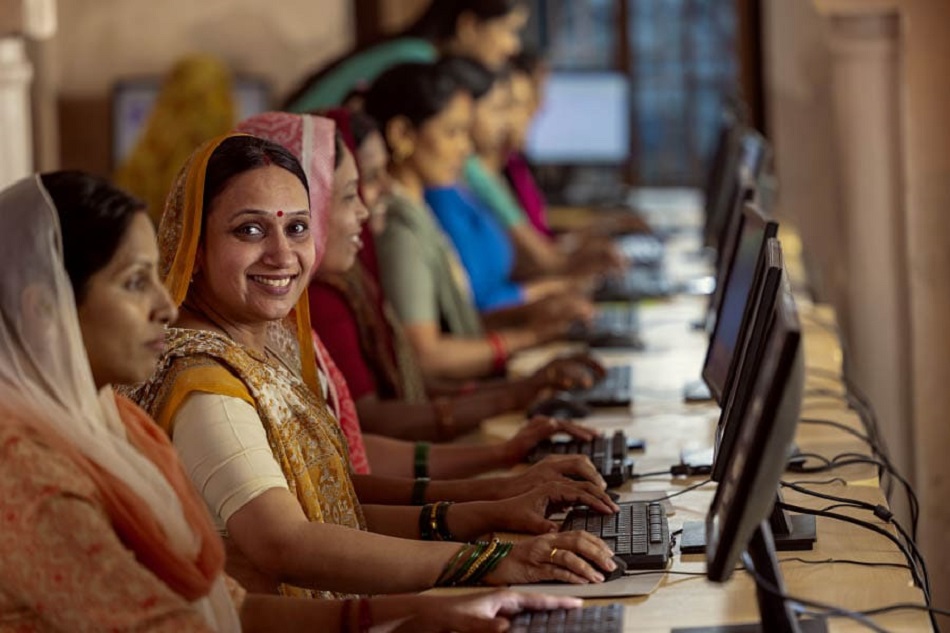
Legal Rights of Women in India
Women in India are entitled to several important rights, including:
- Right to education
- Equal pay for equal work
- Equal employment opportunities
- Equal inheritance and property rights
- Protection against domestic violence
- Protection against sexual harassment at the workplace under the POSH Act
- Right to healthcare and reproductive health services
- Freedom from discrimination based on gender
- Access to government welfare schemes and social security programmes
- Political participation and voting rights
- Legal protection against child marriage, trafficking, and exploitation
These rights are supported through various constitutional provisions and laws that seek to create equal opportunities for women across all sections of society.
Although India has established a strong legal framework for protecting women, awareness and implementation continue to vary across regions. Many women, particularly in rural and economically weaker communities, remain unaware of the rights and government schemes available to them. This highlights the need for continuous legal awareness, community education, and grassroots engagement.
Importance of Women’s Rights in India
Protecting women’s rights in India is essential for building a just and inclusive society. When women can freely exercise their legal rights, they gain greater access to education, healthcare, employment, and safety, which in turn strengthens families and communities. Upholding women’s rights in India also improves accountability, reduces exploitation, and creates the foundation on which broader women empowerment efforts can succeed.
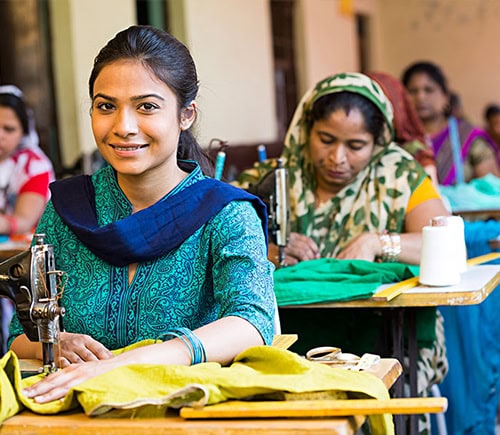
What is Women Empowerment in India?
While women’s rights provide legal protection, women empowerment goes beyond legislation. It is the process of enabling women to become self-reliant, financially independent, socially confident, and capable of making informed decisions about their own lives.
Empowerment allows women to move from dependence to independence by providing them with knowledge, practical skills, economic opportunities, leadership capabilities, and access to essential resources.
A truly empowered woman can contribute to her family’s income, participate in community decision-making, support her children’s education, improve household health, and inspire future generations.
Women empowerment is therefore not only beneficial for women—it contributes directly to poverty reduction, economic development, improved public health, and stronger communities.
Key Components of Women Empowerment
Effective women empowerment requires a holistic approach that addresses multiple dimensions of development.
Skill Development
Practical vocational training equips women with employable skills that improve income generation and create sustainable livelihood opportunities.
Financial Independence
Financial literacy, banking awareness, savings, budgeting, and entrepreneurship help women become economically self-reliant and reduce financial dependence.
Education and Digital Literacy
Access to education and digital technologies enables women to access information, online learning, government services, employment opportunities, and financial systems.
Leadership Development
Leadership training builds confidence, communication skills, and decision-making abilities, encouraging women to participate actively in community institutions, self-help groups, and local governance.
Health and Well-being
Access to quality healthcare, reproductive health education, menstrual hygiene awareness, nutrition, and mental well-being contributes significantly to women’s overall empowerment.
Legal Awareness
Understanding legal rights enables women to seek justice, access institutional support, and protect themselves from violence, discrimination, and exploitation.
Why Women Empowerment in India Still Matters
Women empowerment is one of the most powerful drivers of sustainable development. When women are educated, skilled, and financially independent, they invest more in their families, children’s education, healthcare, and community welfare.
Research consistently shows that empowering women contributes to:
- Higher household incomes
- Reduced poverty
- Better educational outcomes for children
- Improved maternal and child health
- Greater economic productivity
- Increased community participation
- Stronger local governance
- Inclusive social development
Empowered women also become role models within their communities, encouraging other women and girls to pursue education, employment, and leadership opportunities.
For this reason, women’s empowerment aligns with several global Sustainable Development Goals (SDGs), particularly SDG 5 (Gender Equality), while also contributing to:
SDG 1
No Poverty
SDG 3
Good Health and Well-being
SDG 4
Quality Education
SDG 8
Decent Work and Economic Growth
SDG 10
Reduced Inequalities
Challenges Facing Women in India
Despite considerable progress, many women continue to experience barriers that limit their personal, educational, and economic growth. These challenges are often interconnected and require long-term, community-based solutions rather than short-term interventions.
Limited Employment Opportunities
Female labour force participation has improved in recent years, yet many women remain outside the formal workforce due to limited access to skills, childcare responsibilities, social norms, and unequal employment opportunities.
Financial Dependence
Many women lack independent sources of income, making them financially dependent on family members and limiting their ability to make personal and household decisions.
Gender-Based Violence
Domestic violence, workplace harassment, trafficking, and other forms of gender-based violence continue to affect women across different regions, often compounded by underreporting and limited access to support systems.
Limited Access to Education and Skills
Although school enrolment has increased, many girls and women still face barriers to completing education or accessing vocational and technical training, particularly in rural and marginalized communities.
Digital Divide
Digital literacy and access to technology remain uneven, restricting women’s ability to benefit from online education, banking, government services, and employment opportunities.
Social and Cultural Barriers
Traditional gender roles, early marriage, restricted mobility, and unequal decision-making power continue to limit opportunities for many women, especially in underserved areas.
Lack of Awareness of Legal Rights
Many women are unaware of the legal protections, welfare schemes, and support services available to them. Without this knowledge, they may be unable to access the resources needed to protect their rights and improve their quality of life.
Our Women Empowerment Programs
At MVS India, we believe that sustainable women empowerment goes beyond awareness campaigns. Real change happens when women have access to education, practical skills, livelihood opportunities, legal awareness, healthcare, and community support. Our programs are designed to address these interconnected needs, enabling women to become financially independent, socially confident, and active contributors to their families and communities.
By working closely with local communities, educational institutions, self-help groups, corporate CSR partners, and government stakeholders, we implement women-centric initiatives that create measurable and long-term impact.

Skill Development & Vocational Training
Economic independence is one of the strongest foundations of women empowerment. Women who possess practical skills are better equipped to earn a sustainable income, contribute to household finances, and improve their overall quality of life.
MVS conducts skill development programmes that are aligned with local market demands and livelihood opportunities. Our training helps women develop practical competencies that enhance employability while encouraging self-employment and entrepreneurship.
Our vocational training programmes include:
- Tailoring and garment construction
- Handicrafts and traditional artisan skills
- Beauty and wellness training
- Food processing and home-based enterprises
- Computer literacy and digital skills
- Retail and customer service training
- Entrepreneurship development
- Small business management
In addition to technical skills, participants receive guidance on communication, workplace readiness, problem-solving, and professional development to improve their confidence and long-term career prospects.
By helping women acquire employable skills, we enable them to become financially independent while strengthening local economies and supporting sustainable livelihoods.
Project POWER
Entrepreneurship & Livelihood Support
Many women possess the determination to start small businesses but often lack the knowledge, resources, or guidance required to succeed. MVS supports aspiring women entrepreneurs by providing entrepreneurship awareness, financial planning guidance, business development support, and market linkage opportunities.
Our livelihood initiatives encourage women to explore self-employment opportunities that improve household income while strengthening local economies. Through mentoring and community support, women gain the confidence to become financially independent and contribute meaningfully to their families’ long-term well-being.


Women’s Rights Awareness & Legal Protection
Awareness of legal rights is an essential component of women empowerment. Even though India has comprehensive laws protecting women, many are unaware of the rights and support systems available to them.
MVS India conducts community awareness sessions on:
- Protection against domestic violence
- Workplace safety under the POSH Act
- Equal rights and gender equality
- Government welfare schemes
- Legal literacy and access to support services
These sessions encourage informed decision-making and help women understand how to seek assistance when required. Increased legal awareness also contributes to stronger community participation and greater confidence in exercising constitutional rights.
Project GARIMA
Menstrual Health & Hygiene
Menstrual health remains an important yet often overlooked aspect of women’s well-being. Social stigma, limited awareness, and inadequate sanitation facilities continue to affect the health and education of adolescent girls, particularly in rural areas.
Through Project GARIMA, MVS works to improve menstrual health awareness among adolescent girls and women by promoting safe hygiene practices, reproductive health education, and informed health choices.
The programme focuses on:
- Menstrual hygiene awareness sessions
- Distribution of sanitary products
- Adolescent health education
- Reproductive health awareness
- Nutrition and personal hygiene
- Breaking myths and social stigma
- School-based awareness programmes
- Community engagement activities
By encouraging open conversations around menstrual health, Project GARIMA contributes to improved health outcomes, increased school attendance among girls, and greater confidence in managing menstrual hygiene with dignity.

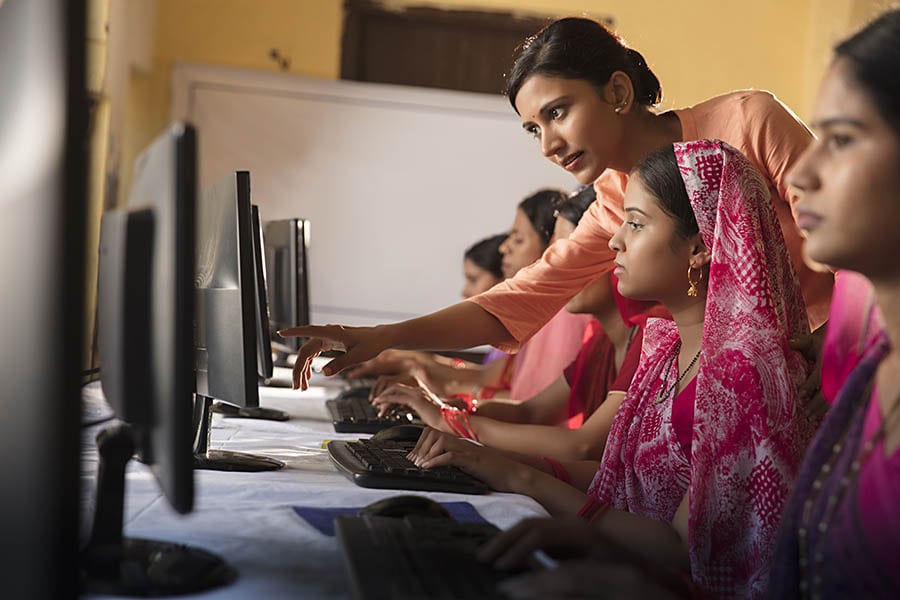
Financial & Digital Literacy
Financial knowledge is one of the most effective tools for long-term empowerment. Women who understand savings, banking, budgeting, insurance, and digital financial services are better positioned to manage their finances and plan for the future.
Our financial literacy programmes help women develop practical money management skills that strengthen household financial security and encourage responsible financial decision-making. Training areas include:
- Personal budgeting
- Household financial planning
- Savings and investment awareness
- Banking procedures
- Digital payments, mobile banking and UPI transactions
- Government financial schemes
- Insurance awareness
- Financial fraud prevention
Alongside financial education, MVS promotes digital literacy to help women access online services, employment opportunities, educational resources, telemedicine, digital marketplaces, and government portals.
Digital inclusion enables women to participate confidently in India’s rapidly growing digital economy while reducing barriers to information and essential services.
Leadership Development and Confidence Building
True empowerment extends beyond financial independence—it also involves enabling women to participate in leadership and decision-making. MVS conducts leadership development programmes that strengthen communication skills, confidence, teamwork, and community participation.
Women are encouraged to take active roles in:
- Self-Help Groups
- Community committees
- Village development initiatives
- School management committees
- Local governance institutions
- Awareness campaigns
- Social development programmes
Leadership training empowers women to advocate for their communities, influence local development, and become role models for future generations.
Community Engagement and Gender Equality
Meaningful women empowerment cannot be achieved by working only with women. Sustainable change requires the active participation of families, community leaders, self-help groups, educational institutions, and men and boys.
MVS India promotes community dialogue around gender equality, shared responsibilities, girls’ education, women’s leadership, and equal opportunities. By encouraging inclusive participation, our programs help create supportive environments where women can exercise their rights and pursue personal and professional growth without unnecessary social barriers.
Our Community-Based Approach
Every community has unique social, cultural, and economic needs. Therefore, MVS follows a structured implementation model that ensures programmes remain relevant, measurable, and sustainable. Our approach begins with understanding local realities before designing customised interventions.

Community Need Assessment
Detailed baseline assessments identify existing challenges, available resources, livelihood opportunities, and community priorities.
Programme Design
Our experts develop customised programmes that align with local needs while supporting national development goals and CSR objectives.
Capacity Building
Training sessions, workshops, awareness campaigns, and skill development activities strengthen participants’ knowledge and capabilities.
Implementation
Field teams work closely with communities to ensure smooth execution with transparency, accountability, and active stakeholder participation.
Monitoring and Evaluation
Regular monitoring measures progress, identifies challenges, and improves effectiveness through evidence-based decision-making.
Impact Assessment
Measurable indicators evaluate outcomes in income generation, skill development, leadership participation, financial inclusion, and social empowerment.
This systematic approach ensures that every initiative delivers sustainable impact while providing corporate CSR partners and development agencies with transparent reporting and measurable outcomes.
Focus Areas
Our women empowerment initiatives focus on:
Women’s rights awareness
Skill development
Entrepreneurship support
Livelihood promotion
Financial literacy
Digital literacy
Menstrual health
Leadership development
Gender equality
Community participation
Women Empowerment in India: Key Challenges
Despite policy reforms and government initiatives, many women continue to face social and economic inequalities.
- Female labour force participation remains lower than the global average.
- Women in rural areas often have limited access to education, formal employment, and financial services.
- Gender-based violence and workplace discrimination remain significant concerns.
- Many women lack awareness of their legal rights and government welfare schemes.
These challenges highlight the need for sustained community-based interventions that combine awareness, livelihood opportunities, and leadership development.
Women’s Empowerment in India: Current Scenario
India has made significant progress in promoting gender equality. According to government reports and national surveys:
- Female literacy has steadily improved over the last two decades.
- Millions of women are now associated with Self-Help Groups (SHGs), contributing to financial inclusion and entrepreneurship.
- Government initiatives continue to expand access to education, healthcare, digital services, and livelihood opportunities for women.
- Despite these advancements, challenges such as unequal workforce participation, financial dependence, and gender-based discrimination remain in many communities.
Supporting Corporate CSR Initiatives
Corporate Social Responsibility (CSR) plays an important role in promoting inclusive development across India. MVS works with companies to design and implement impactful CSR projects that address local development priorities while contributing to national development goals. As an experienced CSR implementation partner and NGO for CSR implementation, MVS helps corporates plan and execute Corporate Social Responsibility projects, including CSR women empowerment programmes, across Rajasthan and beyond.
Our women empowerment initiatives align with Schedule VII of the Companies Act, 2013, particularly in areas related to:
- Women empowerment
- Gender equality
- Livelihood enhancement
- Vocational skill development
- Education
- Healthcare
- Rural development
- Community development
- Social inclusion
We support organisations throughout the project lifecycle—from planning and implementation to monitoring, documentation, and impact assessment.
Why Partner with MVS for Women Empowerment?
MVS India brings extensive experience in implementing women empowerment and community development programs across Rajasthan. Working closely with self-help groups, educational institutions, local communities, corporate CSR partners, and government stakeholders, we design initiatives that create measurable, long-term social impact through skill development, livelihood promotion, legal awareness, and leadership building.
- Community-based implementation model
- Experienced field teams
- Need-based program design
- Transparent monitoring and reporting
- CSR-compliant project implementation
- Sustainable livelihood-focused interventions
- Strong local partnerships
- Measurable social impact
- Trusted CSR NGO in Rajasthan
Our programs focus on creating sustainable improvements in women’s economic independence, leadership, education, and overall quality of life.
Partner with MVS India to Empower Women and Strengthen Communities
Whether you’re a corporate planning CSR initiatives, a donor supporting gender equality, or a government agency seeking an experienced implementation partner, MVS delivers sustainable women empowerment programs with measurable social impact.
- Design women-focused CSR projects
- Implement livelihood and skill development programs
- Promote legal awareness and financial literacy
- Deliver transparent monitoring and impact reports
Frequently Asked Questions
What are women’s rights in India?
Women’s rights in India refer to the legal, constitutional, and human rights that ensure women can live with dignity, equality, and security. These rights include access to education, equal employment opportunities, equal pay, inheritance rights, protection from domestic violence, workplace safety, healthcare, and freedom from discrimination. Various laws and government initiatives support these rights, but increasing awareness and effective implementation remain essential for ensuring that every woman can exercise them fully.
What is women empowerment?
Women empowerment is the process of enabling women to become economically independent, socially confident, and capable of making informed decisions about their lives. It includes improving access to education, skill development, employment, financial literacy, entrepreneurship, healthcare, leadership opportunities, and legal awareness so that women can participate equally in family, community, and national development.
Why is women empowerment important in India?
Women empowerment contributes to stronger families, healthier communities, and sustainable economic growth. When women have equal opportunities to learn, work, lead, and earn, they invest in education, healthcare, and the well-being of their families. Empowered women also contribute to poverty reduction, improved livelihoods, gender equality, and inclusive community development.
How does MVS India empower women?
MVS India implements community-based women empowerment programmes that focus on skill development, vocational training, entrepreneurship, livelihood promotion, legal awareness, financial literacy, digital literacy, leadership development, menstrual health education, and community participation. These integrated initiatives help women build confidence, improve income opportunities, and become active contributors to their communities.
What types of skill development programmes does MVS offer?
Our programmes are designed to enhance employability and entrepreneurship by providing practical vocational and livelihood training. Depending on community needs, training may include tailoring, handicrafts, beauty and wellness, digital literacy, entrepreneurship, food processing, computer skills, financial management, and other income-generating activities.
How does MVS promote women’s legal awareness?
We organise awareness sessions and workshops that educate women about their constitutional rights, protection against domestic violence, workplace safety, inheritance rights, government welfare schemes, and other legal safeguards. These programmes help women understand available protections and connect with appropriate support systems whenever needed.
Can companies partner with MVS for CSR projects?
Yes. MVS India collaborates with corporate CSR teams, government departments, educational institutions, development organisations, and philanthropic foundations to design and implement women empowerment projects that create measurable social impact. Our programmes align with Schedule VII of the Companies Act, 2013, and support broader sustainable development objectives.
How does MVS measure the impact of its programmes?
We follow a structured monitoring and evaluation framework that includes baseline assessments, regular field monitoring, beneficiary feedback, progress reviews, and impact reporting. This enables us to measure improvements in skill development, livelihood opportunities, financial inclusion, leadership participation, and community engagement while ensuring transparency for our partners.
Which communities benefit from MVS women empowerment initiatives?
Our programmes are designed to support women and adolescent girls from rural, underserved, and economically vulnerable communities. We work closely with self-help groups, educational institutions, local leaders, and community organisations to ensure that interventions are inclusive, locally relevant, and sustainable.
How can I support women empowerment initiatives?
Individuals, organisations, corporate CSR teams, educational institutions, and development partners can contribute by partnering with MVS India, sponsoring community programmes, supporting skill development initiatives, promoting legal awareness, or participating in volunteer and outreach activities that advance gender equality and women’s economic empowerment.