

Women’s Economic Empowerment Through Skill Development: Building Skills, Creating Opportunities, Transforming Lives
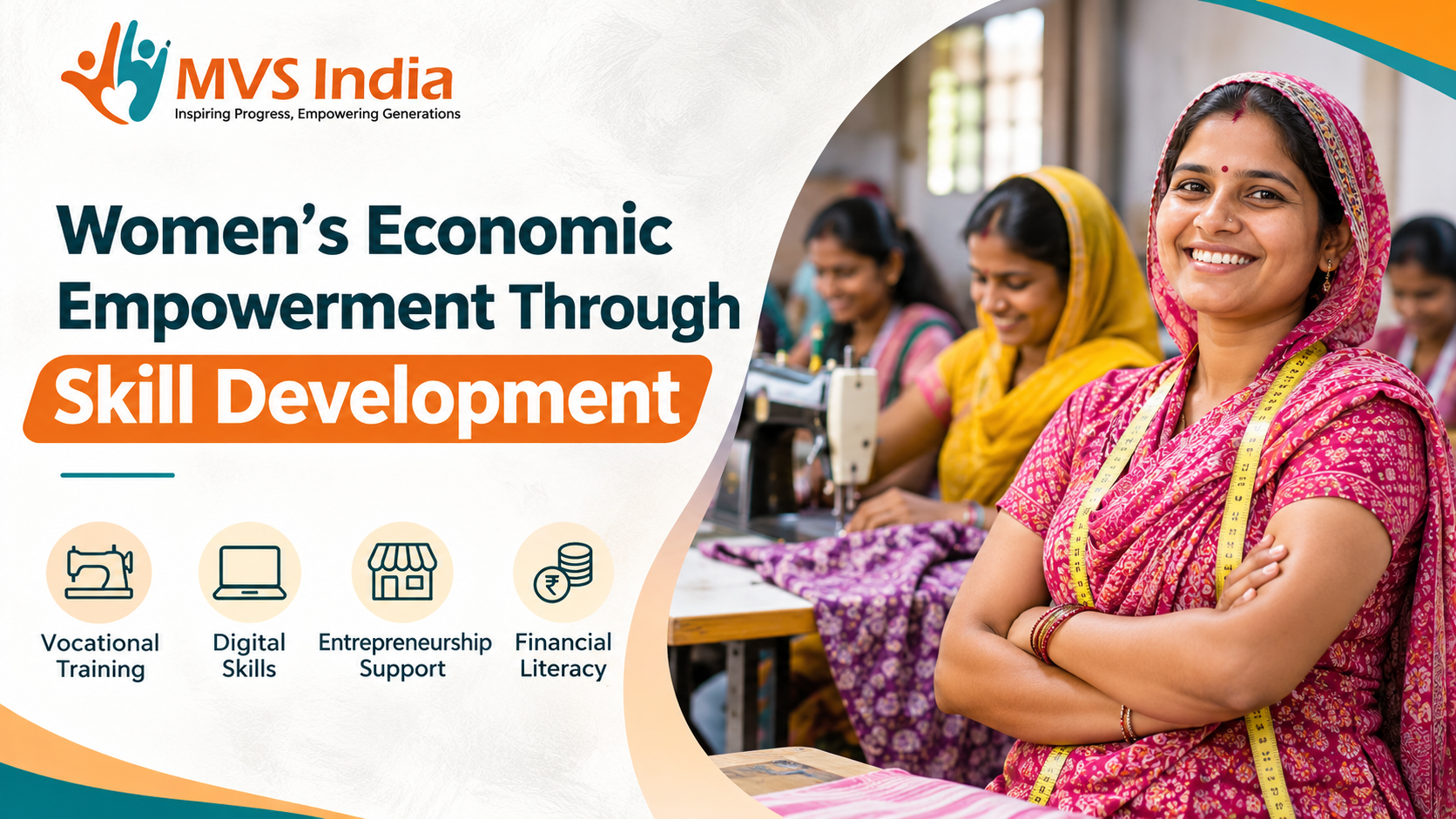
Women’s economic empowerment is essential for building inclusive, resilient, and sustainable communities. When women have access to education, practical skills, financial resources, and employment opportunities, they gain greater control over their lives while contributing to their families and local economies.
However, many women, particularly those living in rural and underserved communities, continue to face barriers to economic independence. Limited access to quality education, vocational training, financial services, and employment opportunities can restrict their ability to participate fully in economic activities.
Women’s economic empowerment through skill development offers a practical pathway to overcoming these challenges. By equipping women with market-relevant skills, confidence, and entrepreneurial knowledge, skill development initiatives help create sustainable livelihood opportunities and promote long-term financial independence.
Understanding Women’s Economic Empowerment
Women’s economic empowerment refers to the ability of women to participate equally in economic activities, access productive resources, make financial decisions, and benefit from economic growth.
Economic empowerment goes beyond earning an income. It includes having the freedom to choose employment opportunities, manage financial resources, develop businesses, and participate in decisions that affect personal and family well-being.
Key aspects of women’s economic empowerment include:
-
Financial Independence: Enabling women to earn, save, and manage their own income.
-
Employment Opportunities: Improving access to dignified and sustainable work.
-
Entrepreneurship Development: Supporting women in establishing and expanding their businesses.
-
Financial Literacy: Building knowledge about savings, banking, budgeting, and financial planning.
-
Decision-Making Power: Strengthening women’s participation in household and community decisions.
-
Equal Opportunities: Reducing barriers to education, training, and economic participation.
By addressing these areas, women’s empowerment initiatives contribute to inclusive economic development and stronger communities.
Why Skill Development Is Important for Women’s Economic Empowerment
Skill development plays a crucial role in bridging the gap between women’s potential and available economic opportunities.
Many women possess valuable abilities but lack access to structured training, certification, market connections, or professional guidance. Skill development programs help transform these abilities into income-generating opportunities.
1. Creating Employment and Livelihood Opportunities
Vocational training for women provides practical knowledge and technical skills that can improve employability across different industries.
Training in areas such as tailoring, handicrafts, food processing, beauty and wellness, digital services, retail, and healthcare support can help women explore employment or self-employment opportunities.
When training programs are aligned with local market demand, women are better positioned to find sustainable sources of income.
2. Encouraging Women’s Entrepreneurship
Entrepreneurship offers women an opportunity to create independent sources of income while contributing to local economic growth.
Skill development programs can support aspiring women entrepreneurs through business planning, product development, pricing, customer service, marketing, and financial management training.
With appropriate guidance and access to resources, women can establish small enterprises, home-based businesses, and community-led livelihood initiatives.
3. Building Financial Independence
Financial independence allows women to participate more actively in decisions concerning their families, education, healthcare, and future investments.
By gaining employable skills and financial knowledge, women can develop greater confidence in managing income and planning for long-term economic security.
Financial literacy programs further strengthen this independence by introducing women to banking services, savings practices, digital payments, and responsible financial planning.
4. Strengthening Confidence and Leadership
Skill development is not limited to technical training. It also supports personal growth, communication skills, problem-solving abilities, and leadership development.
Women who participate in structured training programs may become more confident in interacting with customers, managing businesses, negotiating prices, and participating in community activities.
These capabilities help women take on greater responsibilities within their households, workplaces, and communities.
Key Skill Development Programs That Support Women’s Empowerment
Tailoring, embroidery, handicrafts, food processing, and other practical skills can help women access local employment and establish small businesses.
Digital Literacy and Technology Skills
Computer education, digital payments, online communication, and e-commerce skills can enable women to participate in the growing digital economy.
Training in business management, marketing, financial planning, and customer relations can support women in starting and managing microenterprises.
Financial Literacy and Banking Awareness
Knowledge of savings, budgeting, credit, insurance, and banking services helps women make informed financial decisions.
The Role of Self-Help Groups in Women’s Economic Empowerment
Self-Help Groups (SHGs) play an important role in promoting women’s economic participation, particularly in rural India.
These community-based groups bring women together to encourage collective savings, access to financial services, entrepreneurship, and mutual support.
Through SHGs, women can participate in livelihood activities, develop leadership skills, and explore opportunities for collective enterprises.
Self-Help Groups can contribute to women’s empowerment by:
-
Encouraging regular savings and responsible financial management.
-
Facilitating access to credit and livelihood resources.
-
Supporting small-scale entrepreneurship and collective businesses.
-
Promoting peer learning and knowledge sharing.
-
Strengthening community participation and leadership.
When supported by skill development programs and market linkages, SHGs can become effective platforms for sustainable economic empowerment.
Challenges Women Face in Accessing Skill Development Opportunities
Despite the growing importance of women’s economic participation, several barriers continue to limit access to training and employment.
Limited Access to Education and Training
Women in underserved communities may face difficulties accessing quality vocational training because of distance, financial limitations, or a lack of nearby institutions.
Social and Cultural Barriers
Traditional gender roles, household responsibilities, and social expectations may restrict women’s mobility and participation in economic activities.
Lack of Financial Resources
Limited access to credit, savings, and startup capital can prevent women from turning their skills into sustainable businesses.
Digital Divide
Women without access to smartphones, computers, reliable internet connectivity, or digital education may struggle to benefit from technology-based opportunities.
Limited Market Access
Even after completing training, women may face challenges finding customers, connecting with employers, accessing supply chains, or marketing their products.
Addressing these barriers requires an integrated approach combining practical training, community engagement, financial inclusion, and livelihood support.
How NGOs Support Women’s Economic Empowerment Through Skill Development
Non-governmental organizations play an important role in connecting underserved women with training, resources, and livelihood opportunities.
Through community-based interventions, NGOs can help identify local employment needs, mobilize women, provide practical training, and support pathways toward income generation.
Organizations such as MVS India, with their broader focus on skill development and sustainable livelihoods, recognize the importance of strengthening community capabilities and improving access to economic opportunities.
Effective NGO-led women’s empowerment initiatives may include:
-
Community Mobilization: Encouraging women to participate in training and livelihood initiatives.
-
Market-Oriented Skill Training: Providing practical skills aligned with local employment and business opportunities.
-
Entrepreneurship Support: Helping women understand business operations and income-generation opportunities.
-
Financial Awareness: Promoting financial literacy, savings, and responsible financial decision-making.
-
Market Linkages: Connecting trained women with potential employers, customers, and business networks.
-
Post-Training Support: Providing mentoring and follow-up assistance to improve livelihood outcomes.
By combining skill development with community participation and long-term support, NGOs can contribute to meaningful and sustainable economic empowerment.
The Impact of Women’s Economic Empowerment on Families and Communities
The benefits of women’s economic empowerment extend beyond individual income generation.
When women gain access to sustainable livelihood opportunities, they may become better equipped to support household needs, contribute to children’s education, and make informed financial decisions.
Improved Household Financial Security
Additional and diversified sources of income can help families manage expenses, build savings, and respond to unexpected financial challenges.
Better Educational Opportunities
Economic empowerment can strengthen women’s ability to support educational opportunities for their children and encourage learning within their communities.
Stronger Local Economies
Women-led enterprises and income-generating activities contribute to local production, employment, and economic participation.
Greater Gender Equality
Access to economic resources and decision-making opportunities can help challenge restrictive gender norms and support more equitable participation in society.
Sustainable Community Development
Economically empowered women can contribute to community initiatives, local leadership, and collective efforts to improve social and economic conditions.
Women’s Skill Development and the Sustainable Development Goals
Women’s economic empowerment is closely connected to the United Nations Sustainable Development Goals (SDGs).
Skill development initiatives can contribute to several important global development priorities:
| Sustainable Development Goal | Contribution of Skill Development |
|---|---|
| SDG 1: No Poverty | Expanding access to sustainable livelihood opportunities |
| SDG 4: Quality Education | Promoting vocational education and lifelong learning |
| SDG 5: Gender Equality | Strengthening women’s economic participation and decision-making |
| SDG 8: Decent Work and Economic Growth | Improving employability, entrepreneurship, and productive employment |
| SDG 10: Reduced Inequalities | Supporting economic inclusion for underserved communities |
By promoting skill-based livelihood opportunities, development organizations can support progress toward a more inclusive and equitable society.
Building a Sustainable Future Through Women’s Skill Development
Creating lasting economic opportunities for women requires more than short-term training.
Sustainable empowerment depends on access to quality education, market-relevant skills, financial services, mentorship, supportive infrastructure, and continued livelihood opportunities.
Training programs should consider local economic conditions, emerging employment trends, and the specific challenges faced by women from different communities.
Partnerships between NGOs, government institutions, businesses, and community organizations can further strengthen these efforts by expanding access to resources and employment pathways.
When women receive the right opportunities and support, they can become entrepreneurs, skilled professionals, community leaders, and active contributors to economic development.
Conclusion: Empowering Women, Strengthening Communities
Women’s economic empowerment through skill development is a powerful approach to promoting financial independence, gender equality, and sustainable livelihoods.
By providing women with practical skills, entrepreneurial knowledge, and access to economic opportunities, skill development initiatives can help them overcome barriers and build more secure futures.
The impact extends beyond individuals, supporting stronger families, more resilient communities, and inclusive economic growth.
Investing in women’s skills is not only an investment in individual livelihoods but also an investment in a more equitable and sustainable future.
Frequently Asked Questions (FAQs)
1. What is women’s economic empowerment through skill development?
Women’s economic empowerment through skill development involves providing women with practical, vocational, digital, and entrepreneurial skills that improve their ability to earn income, access employment, and achieve financial independence.
2. Why is skill development important for women?
Skill development improves employability, supports entrepreneurship, builds confidence, and helps women access sustainable livelihood opportunities.
3. Which skills are most useful for women’s economic empowerment?
Useful skills include digital literacy, tailoring, food processing, handicrafts, financial management, entrepreneurship, communication, and other market-relevant vocational skills.
4. How do NGOs contribute to women’s economic empowerment?
NGOs support women through vocational training, financial literacy, entrepreneurship guidance, community mobilization, market linkages, and livelihood development initiatives.
5. What is the role of Self-Help Groups in women’s empowerment?
Self-Help Groups promote collective savings, financial inclusion, entrepreneurship, peer support, and community leadership among women.
6. How does women’s economic empowerment support sustainable development?
Women’s economic empowerment can contribute to poverty reduction, gender equality, decent employment, stronger local economies, and improved community well-being.

All Categories
- Annual Reports (1)
- News (32)
- Projects (13)
Recent Posts
Tags
+0123 (456) 7899
contact@example.com