

Menstrual Health and Women Empowerment: Why Awareness Matters
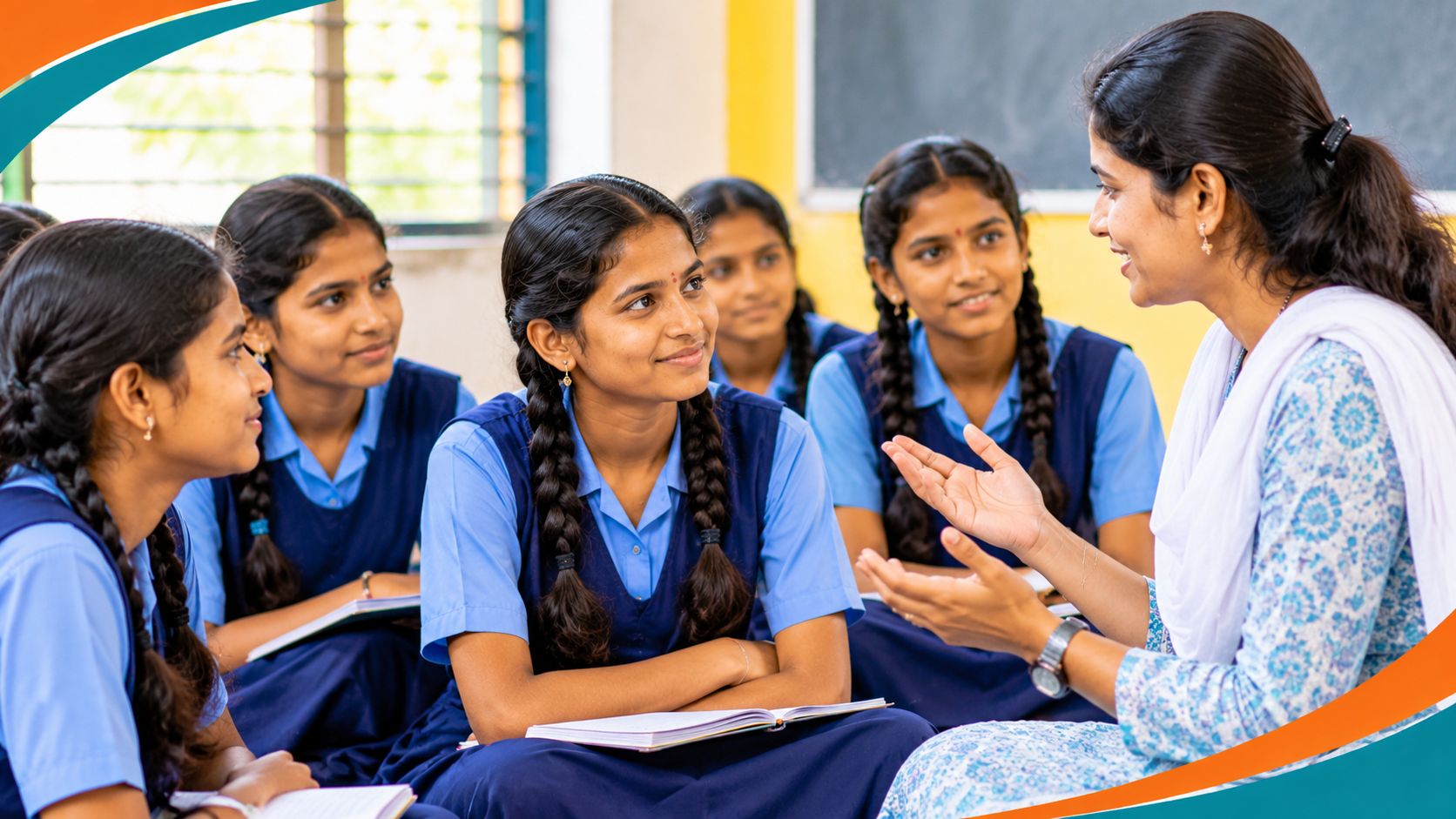
Menstrual health is an essential part of women’s health, dignity, education, and overall well-being. However, menstruation continues to be surrounded by social stigma, misconceptions, and limited awareness in many communities across India.
For millions of adolescent girls and women, a lack of menstrual health education, access to hygiene products, and proper sanitation facilities can create challenges in their daily lives. These barriers may affect school participation, confidence, healthcare decisions, and social inclusion.
Menstrual health and women empowerment are closely connected because women and girls need accurate information, safe hygiene facilities, and freedom from discrimination to make informed decisions about their health.
Menstrual health awareness is not just about understanding periods. It is about promoting equality, protecting dignity, encouraging education, and creating supportive communities where menstruation can be discussed openly.
At Manav Vikas Sanstha (MVS India), we believe that menstrual health awareness is an important step towards women’s empowerment. Through initiatives such as Project GARIMA, we work to improve menstrual hygiene awareness, promote safe practices, and help adolescent girls and women access appropriate menstrual health facilities.
What Is Menstrual Health Awareness?
Menstrual health awareness refers to providing accurate information and education about menstruation, menstrual hygiene, reproductive health, and the physical and emotional changes associated with menstrual cycles.
It helps girls and women understand how menstruation works, how to maintain personal hygiene, and when to seek medical guidance.
Menstrual health education also encourages families, schools, communities, and institutions to create supportive environments where menstruation is treated as a normal biological process rather than a subject of shame.
Important aspects of menstrual health awareness include:
- Understanding the menstrual cycle and its different phases.
- Learning safe menstrual hygiene practices.
- Accessing appropriate and affordable menstrual products.
- Understanding reproductive and adolescent health.
- Maintaining personal hygiene during menstruation.
- Promoting safe disposal of menstrual products.
- Recognising common menstrual concerns.
- Breaking myths and social stigma surrounding periods.
- Encouraging open communication with parents, teachers, and healthcare professionals.
When women and girls have access to reliable information, they can make informed decisions about their health and well-being.
Why Is Menstrual Health Important for Women Empowerment?
Women empowerment involves giving women equal opportunities, knowledge, resources, and the confidence to make decisions about their lives.
Menstrual health is an important part of this process because it directly relates to bodily awareness, personal dignity, healthcare access, and participation in education and society.
Here are some important reasons why menstrual health awareness matters.
1. Promotes Health Awareness and Informed Decisions
Understanding menstruation helps girls and women recognise normal menstrual changes and develop healthy hygiene practices.
Accurate information can reduce confusion and misinformation about periods, menstrual products, and reproductive health.
It also helps women understand when symptoms such as severe pain, unusually heavy bleeding, or persistent irregularities require medical attention.
Health awareness encourages women to take responsibility for their well-being and seek appropriate healthcare support when needed.
2. Supports Girls’ Education and School Attendance
Lack of menstrual products, inadequate toilets, insufficient privacy, and limited sanitation facilities can create difficulties for adolescent girls in schools.
Some girls may feel uncomfortable attending classes during menstruation because they do not have access to suitable facilities or fear embarrassment.
Schools can help address these challenges by providing:
- Clean and private toilet facilities.
- Access to menstrual hygiene products.
- Safe disposal arrangements.
- Menstrual health awareness sessions.
- Supportive teachers and school staff.
- Access to water and handwashing facilities.
When schools create a supportive environment, girls can manage menstruation with greater confidence and participate more comfortably in educational activities.
3. Builds Confidence and Self-Respect
Social stigma and misinformation can make girls feel embarrassed or uncomfortable discussing menstruation.
This can prevent them from asking questions, seeking help, or accessing essential hygiene products.
Menstrual health education helps normalise conversations about periods and encourages girls to understand that menstruation is a natural biological process.
When girls receive accurate information and support, they can develop greater confidence and self-respect.
4. Encourages Gender Equality
Menstrual health is not only a women’s issue. It is also connected to gender equality and social inclusion.
When menstruation becomes a reason for discrimination, restrictions, or exclusion, it limits the participation of women and girls in everyday activities.
Educating boys, men, teachers, parents, and community members can help reduce harmful stereotypes and create a more supportive environment.
Gender equality requires everyone to understand that menstruation should never become a reason to deny education, opportunities, or dignity.
5. Strengthens Women’s Participation in Society
Menstrual health awareness can help women manage their health with greater confidence in schools, workplaces, and community settings.
Access to appropriate menstrual products, private sanitation facilities, and supportive policies can reduce practical barriers to participation.
This is particularly important for women working in rural areas, factories, educational institutions, and other settings where sanitation facilities may be limited.
Major Challenges Affecting Menstrual Health in India
Despite growing awareness, menstrual health remains a significant concern in many communities.
Women and adolescent girls may face several challenges related to affordability, education, sanitation, and social attitudes.
1. Social Stigma and Cultural Taboos
In some communities, menstruation is still considered a subject that should not be discussed openly.
Girls may be discouraged from talking about periods with family members, teachers, or healthcare professionals.
Such restrictions can prevent them from receiving accurate information and seeking support.
2. Limited Access to Menstrual Hygiene Products
The cost and availability of menstrual hygiene products can affect women’s ability to manage their periods comfortably.
In economically disadvantaged communities, some girls and women may struggle to access suitable products regularly.
Affordable menstrual products and accessible distribution systems are important for improving menstrual hygiene management.
3. Lack of Awareness and Education
Many girls experience their first menstrual period without sufficient information about the menstrual cycle or hygiene practices.
Lack of education can lead to fear, confusion, misconceptions, and inappropriate hygiene practices.
Age-appropriate menstrual health education in schools and communities is essential.
4. Inadequate Sanitation Facilities
Access to clean toilets, water, privacy, and safe disposal facilities is important for menstrual hygiene management.
Schools and public institutions without appropriate sanitation infrastructure can make menstrual management difficult.
5. Limited Healthcare Access
Women in rural and underserved communities may have limited access to reproductive health information, counselling, and healthcare services.
Community health awareness programmes can help connect women with reliable information and appropriate medical support.
6. Environmental Concerns Related to Menstrual Waste
Improper disposal of menstrual products can create sanitation and environmental challenges.
Schools and institutions need suitable waste management systems, clear disposal guidance, and awareness about responsible menstrual waste management.
The Role of Menstrual Health Education in Girls’ Empowerment
Menstrual health education provides girls with the knowledge and confidence required to understand their bodies and manage their health.
It is particularly important during adolescence, when girls experience several physical, emotional, and social changes.
Promotes Body Awareness
Girls learn about the menstrual cycle, puberty, personal hygiene, and reproductive health.
Reduces Fear and Misconceptions
Accurate information helps girls understand menstruation and reduces unnecessary anxiety associated with their first periods.
Encourages Communication
Education creates opportunities for girls to discuss their concerns with parents, teachers, health workers, and other trusted individuals.
Supports Healthy Hygiene Practices
Girls learn about menstrual products, personal hygiene, changing products appropriately, and safe disposal methods.
Develops Confidence and Independence
Understanding menstruation helps girls make informed choices and manage their health more confidently.
Menstrual health education should be age-appropriate, inclusive, scientifically accurate, and delivered in a respectful environment.
How Can Schools and Communities Improve Menstrual Health Awareness?
Schools and communities play an important role in creating an environment where menstruation can be understood without embarrassment or discrimination.
Some effective approaches include:
1. Conduct Regular Awareness Sessions
Schools and community organisations can organise interactive sessions about menstruation, puberty, hygiene, and reproductive health.
These programmes should provide accurate information and allow girls to ask questions without fear of judgement.
2. Provide Affordable Menstrual Hygiene Products
Schools and community institutions can improve access to sanitary pads and other suitable menstrual products.
Vending machines and product distribution programmes can help girls access menstrual products when needed.
3. Improve School Sanitation Facilities
Clean toilets, water availability, privacy, and safe disposal systems are essential for menstrual hygiene management.
4. Train Teachers and Community Health Workers
Teachers, ASHA workers, Anganwadi workers, and other frontline workers can play an important role in spreading menstrual health awareness.
Proper training helps them communicate sensitive health information respectfully and accurately.
5. Involve Parents and Families
Parents and family members should be encouraged to discuss menstruation openly with adolescent girls.
Supportive family environments help girls feel more comfortable asking questions and managing their health.
6. Engage Boys and Men
Menstrual health awareness should also involve boys and men.
Educating male family members, students, and community leaders can reduce stigma and encourage supportive behaviour.
Government Initiatives Supporting Menstrual Health in India
The Government of India has introduced several initiatives to improve menstrual hygiene awareness and access to menstrual products.
Some important programmes include:
1. Menstrual Hygiene Scheme (MHS)
The Ministry of Health and Family Welfare introduced the Menstrual Hygiene Scheme to promote menstrual hygiene among adolescent girls aged 10–19 years in rural areas.
Its major objectives include:
- Increasing awareness about menstrual hygiene.
- Improving access to quality and affordable sanitary napkins.
- Promoting safe and environmentally responsible disposal.
- Encouraging appropriate hygiene practices.
2. National Menstrual Hygiene Policy for School-Going Girls
The National Menstrual Hygiene Policy for School-Going Girls, approved in November 2024, provides a framework to improve menstrual health and hygiene management in schools.
It focuses on awareness, access to menstrual products, sanitation facilities, safe disposal, and reducing stigma and misinformation.
3. School Health and Wellness Programme
The School Health and Wellness Programme promotes health education among schoolchildren through structured classroom activities.
Menstrual health and hygiene awareness is an important part of adolescent health education.
4. Jan Aushadhi Suvidha Sanitary Napkins
Under the Pradhan Mantri Bharatiya Janaushadhi Pariyojana, affordable sanitary napkins are made available through Jan Aushadhi Kendras.
This initiative helps improve access to menstrual hygiene products.
These initiatives demonstrate the importance of combining awareness, healthcare access, sanitation, and community participation to improve menstrual health outcomes.
How NGOs Support Menstrual Health and Women Empowerment
Non-governmental organisations play an important role in promoting menstrual health awareness, particularly in rural and underserved communities.
They work directly with schools, families, community groups, and local institutions to address the challenges faced by adolescent girls and women.
Important contributions of NGOs include:
- Organising menstrual health awareness programmes.
- Educating adolescent girls about puberty and menstruation.
- Promoting access to menstrual hygiene products.
- Installing sanitary pad vending machines.
- Supporting safe menstrual waste disposal facilities.
- Conducting reproductive health awareness sessions.
- Training teachers and community health workers.
- Encouraging conversations about menstrual health.
- Addressing myths, misconceptions, and social stigma.
- Promoting women’s dignity, confidence, and health rights.
Through these activities, NGOs can help create more informed and supportive communities.
MVS India’s Contribution to Menstrual Health Awareness Through Project GARIMA
At Manav Vikas Sanstha (MVS India), we believe that menstrual health awareness is essential for protecting the dignity, health, and educational opportunities of adolescent girls and women.
Through Project GARIMA – Menstrual Health and Hygiene Programme, MVS India works to improve menstrual hygiene management by combining awareness programmes with access to essential facilities.
The initiative focuses on addressing the challenges that girls face in schools and communities, particularly the lack of menstrual products, limited sanitation facilities, and social stigma.
1. Menstrual Health Awareness Programmes
MVS India conducts awareness programmes to educate adolescent girls, women, and communities about menstruation and safe hygiene practices.
These sessions encourage open conversations, improve health knowledge, and help address common misconceptions.
2. Installation of Sanitary Pad Vending Machines
Access to menstrual hygiene products is essential for effective menstrual management.
Through Project GARIMA, MVS India supports the installation of menstrual kit vending units in schools and institutions to improve access to essential menstrual products.
3. Safe Disposal Facilities
Proper disposal of menstrual products is an important part of menstrual hygiene management.
Project GARIMA includes the installation of incinerators to support safer disposal practices in schools and institutions.
4. Adolescent Health Education
The programme promotes awareness about menstrual health, reproductive health, nutrition, and personal hygiene.
This helps girls develop a better understanding of their health and make informed choices.
5. Breaking Menstrual Stigma
One of the important objectives of Project GARIMA is to encourage open discussions about menstruation.
By engaging girls, women, educators, and communities, MVS India works to reduce stigma and create an environment where menstrual health can be discussed with dignity.
6. Supporting Girls’ Education and Confidence
Access to menstrual products, awareness, and appropriate disposal facilities can help reduce practical barriers to managing periods at school.
By improving menstrual hygiene facilities, Project GARIMA aims to help girls continue their education with greater comfort and confidence.
Learn more about Project GARIMA – Menstrual Health and Hygiene Programme.
How Menstrual Health Awareness Contributes to Sustainable Development
Menstrual health awareness is connected to several United Nations Sustainable Development Goals (SDGs).
SDG 3 – Good Health and Well-Being
Promotes health education, menstrual hygiene, and access to appropriate healthcare information.
SDG 4 – Quality Education
Supports inclusive learning environments where girls can participate in education with dignity.
SDG 5 – Gender Equality
Addresses menstrual stigma and promotes equal opportunities for women and girls.
SDG 6 – Clean Water and Sanitation
Highlights the importance of clean toilets, water, sanitation, and hygiene facilities.
SDG 10 – Reduced Inequalities
Encourages better access to menstrual health resources for girls and women from underserved communities.
By investing in menstrual health education and facilities, communities can contribute to a healthier, more inclusive, and equitable future.
What Can Families and Communities Do to Promote Menstrual Health Awareness?
Menstrual health awareness requires collective responsibility.
Families, schools, healthcare institutions, NGOs, and community leaders can work together to create supportive environments.
Here are some practical steps:
- Talk openly about menstruation at home and in schools.
- Provide age-appropriate menstrual health education to adolescent girls.
- Ensure access to affordable and suitable menstrual hygiene products.
- Improve water, sanitation, and toilet facilities.
- Promote safe and environmentally appropriate menstrual waste disposal.
- Train teachers and community health workers.
- Involve boys and men in menstrual health awareness programmes.
- Encourage girls to seek medical guidance for concerning menstrual symptoms.
- Support NGOs working on menstrual hygiene and women’s empowerment.
- Challenge myths and discrimination associated with menstruation.
Small but consistent efforts can create meaningful improvements in women’s health, confidence, and dignity.
Conclusion: Menstrual Health Awareness Is a Foundation for Women’s Empowerment
Menstrual health awareness is much more than a hygiene-related issue. It is an important part of women’s rights, education, healthcare, dignity, and gender equality.
When girls and women have access to accurate information, affordable menstrual products, safe sanitation facilities, and supportive communities, they can manage their health with greater confidence.
However, creating lasting change requires continuous awareness, better infrastructure, healthcare education, and collective participation.
At MVS India, we believe that every girl deserves access to menstrual health information and facilities that support her dignity and well-being.
Through Project GARIMA, we continue to promote menstrual health awareness, improve access to essential facilities, and encourage communities to break the stigma surrounding menstruation.
Because empowering women begins with ensuring that every girl has the knowledge, resources, and confidence to make informed decisions about her health.
Support Menstrual Health Awareness with MVS India
Join hands with MVS India to promote menstrual hygiene, adolescent health education, safe disposal facilities, and women’s empowerment.
Explore Project GARIMA and connect with MVS India to support meaningful change.
Frequently Asked Questions (FAQs)
1. Why is menstrual health awareness important?
Menstrual health awareness helps girls and women understand menstruation, practise appropriate hygiene, access suitable products, and make informed healthcare decisions. It also reduces stigma and supports dignity and gender equality.
2. How does menstrual health contribute to women empowerment?
Menstrual health education gives women and girls the knowledge and confidence to manage their health independently. Access to hygiene products and sanitation facilities also supports their participation in education, work, and community activities.
3. What are the major menstrual hygiene challenges in rural India?
Major challenges include limited awareness, social stigma, affordability of menstrual products, inadequate sanitation facilities, lack of privacy, and limited access to healthcare information.
4. How does menstrual hygiene affect girls’ education?
A lack of menstrual products, clean toilets, water, and privacy can make it difficult for girls to manage menstruation at school. Appropriate facilities and awareness programmes can help reduce these barriers to participation.
5. What are the main objectives of menstrual health education?
The main objectives are to improve awareness about menstruation, promote safe hygiene practices, reduce misconceptions, encourage healthcare-seeking behaviour, and support informed decisions.
6. What is Project GARIMA by MVS India?
Project GARIMA is MVS India’s Menstrual Health and Hygiene Programme. It focuses on awareness programmes, menstrual kit vending units, safe disposal facilities, adolescent health education, and reducing menstrual stigma.
7. What role do NGOs play in menstrual health awareness?
NGOs organise awareness programmes, promote access to menstrual products, support sanitation infrastructure, educate adolescent girls, and encourage open conversations about menstrual health.
8. How can schools promote menstrual hygiene?
Schools can provide clean toilets, water, private changing spaces, sanitary products, vending machines, safe disposal facilities, and regular menstrual health education sessions.
9. What is the National Menstrual Hygiene Policy for School-Going Girls?
It is a Government of India policy approved in November 2024 that aims to improve menstrual health awareness, access to hygiene products, sanitation facilities, and safe disposal arrangements in schools.
10. How can I support menstrual health awareness programmes?
You can support menstrual health initiatives by volunteering, spreading awareness, supporting school hygiene facilities, contributing to menstrual health programmes, and partnering with organisations such as MVS India.

All Categories
- Annual Reports (1)
- News (36)
- Projects (13)
Tags
+0123 (456) 7899
contact@example.com