

Reimagining Sustainability: How NGOs Are Innovating Environmental Solutions
Introduction:
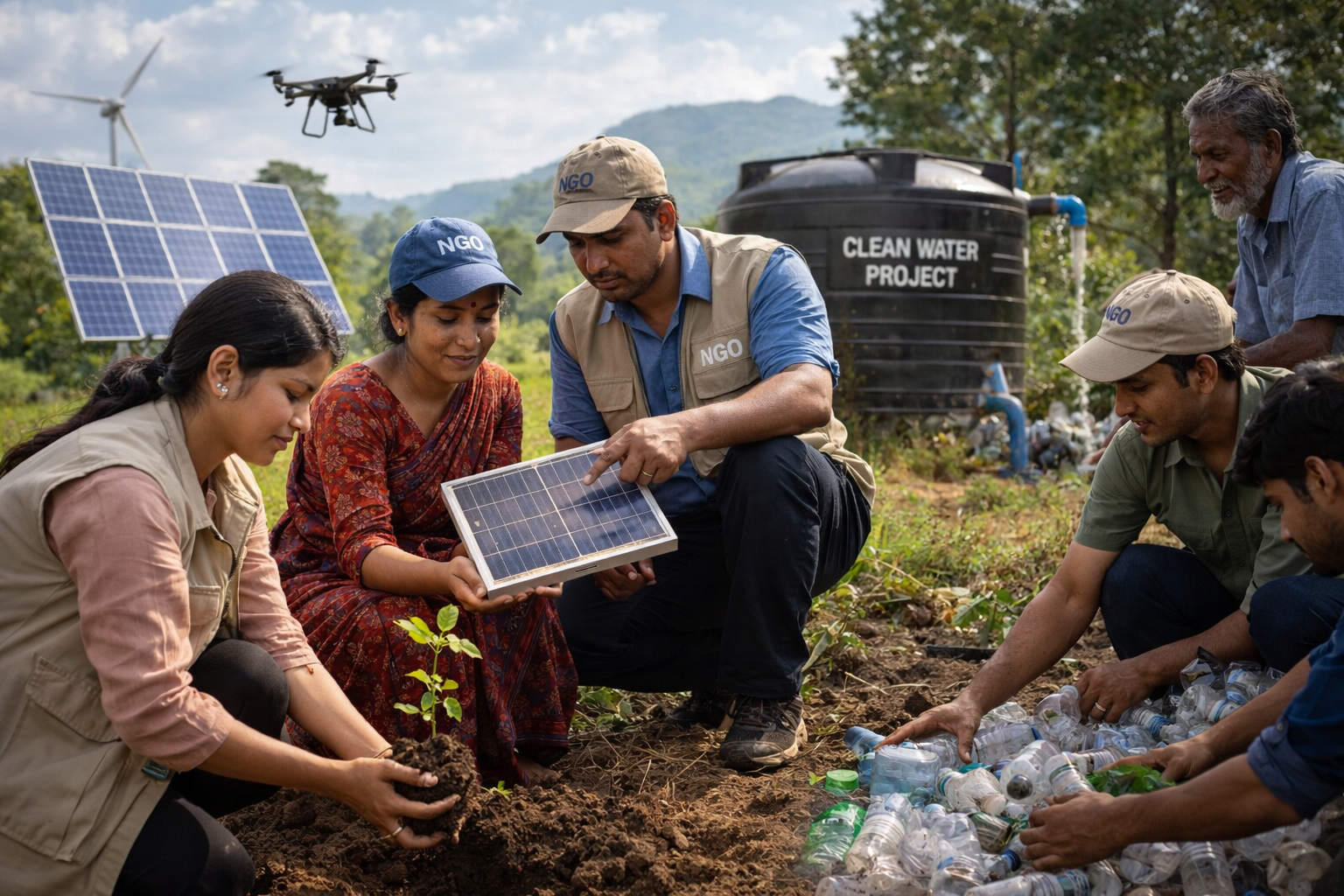
Sustainability has become one of the most pressing concerns globally, with the effects of climate change, deforestation, pollution, and biodiversity loss increasingly impacting ecosystems, economies, and communities. In India, non-governmental organizations (NGOs) have emerged as key players in addressing these environmental challenges. At MVS India, the Top Environmental NGO’s in India where these organizations are not only raising awareness but are also spearheading innovative solutions that foster environmental sustainability, community empowerment, and economic resilience. NGOs in India are developing cutting-edge strategies that balance human needs with ecological preservation, making remarkable contributions to the fight for a sustainable future.
About Us:
At Manav Vikas Sanstha (MVS), we are leading the way in innovating environmental solutions that foster a sustainable future. Our work focuses on integrating sustainability into rural development, with projects aimed at water conservation, waste management, and energy efficiency. Through education programs and community-driven initiatives, MVS introduces eco-friendly farming techniques, rainwater harvesting, and reforestation efforts that not only improve the environment but also provide economic benefits to rural families. MVS’s commitment to sustainability goes beyond theory; we implement hands-on solutions that ensure environmental preservation and community prosperity. Our focus on green solutions creates a balanced ecosystem, contributing to both the environment and the livelihoods of rural communities.
The Role of NGOs in Environmental Education and Advocacy
Environmental sustainability begins with awareness, and NGOs in India are instrumental in educating communities about the importance of conservation and eco-friendly practices. By spreading knowledge on climate change, resource management, and biodiversity protection, these organizations are catalyzing a movement towards greener lifestyles.
One of the significant ways NGOs promote environmental awareness is through advocacy campaigns that highlight critical issues such as air and water pollution, waste management, and deforestation. They use innovative media strategies, including digital campaigns, workshops, seminars, and community outreach programs, to engage the public and policymakers in conversations about sustainable practices. These NGOs work with schools, communities, and governments to push for environmental policies that support green development, climate action, and conservation.
Innovative Solutions for Waste Management
Waste management remains one of the most significant challenges in urban and rural India. With rapid urbanization and rising consumption levels, waste generation has increased exponentially, contributing to severe pollution and the clogging of landfills. NGOs in India are tackling this problem by introducing innovative solutions that reduce, reuse, and recycle waste, thus promoting circular economy principles.
Several NGOs are working on waste segregation programs that help communities differentiate between biodegradable, recyclable, and non-recyclable waste. They also educate people on the importance of composting organic waste, and many NGOs have established composting units in communities to process kitchen waste into nutrient-rich compost, which can be used for organic farming.
Conservation of Natural Resources and Biodiversity
India is home to a rich and diverse natural heritage, but its biodiversity is under threat due to deforestation, land degradation, and unsustainable agricultural practices. NGOs in India are playing a critical role in protecting forests, wildlife, and ecosystems through conservation projects and sustainable land management initiatives.
One notable contribution of NGOs is the work they are doing in forest conservation. These organizations have launched projects aimed at afforestation, reforestation, and the protection of endangered species. By partnering with local communities, these NGOs engage in hands-on conservation efforts that help restore degraded land and conserve native flora and fauna. Many NGOs are also working on wildlife corridors and the preservation of vital habitats to ensure that biodiversity is protected and wildlife populations can thrive.
Water Conservation and Management Initiatives
Water scarcity is a pressing issue in many parts of India, exacerbated by over-extraction, poor management, and climate change. NGOs are stepping in to address these challenges by implementing innovative water conservation techniques, improving access to clean water, and promoting the sustainable use of water resources.
NGOs in India are working on rainwater harvesting systems that collect and store rainwater for use during dry periods, helping communities in water-scarce regions meet their needs. These systems are often introduced in rural areas, schools, and urban localities to reduce dependence on external water sources and to ensure that water is used more efficiently.
Promoting Clean and Renewable Energy Solutions
As the world shifts toward renewable energy to combat climate change, NGOs in India are leading the way in promoting clean energy solutions. These organizations are facilitating the adoption of solar, wind, and biogas energy solutions in rural and urban areas, where access to reliable electricity is still limited.
NGOs are instrumental in educating communities about the benefits of renewable energy and providing them with affordable access to solar power systems. In rural areas, NGOs have installed solar panels in homes, schools, and healthcare centers, reducing dependency on fossil fuels and improving access to electricity in remote locations. By promoting solar cooking, solar-powered lights, and small-scale wind energy systems, these organizations are helping to reduce carbon emissions and improve the quality of life for millions of people.
Climate Change Adaptation and Resilience Building
Climate change poses a significant threat to agriculture, health, and water availability in India. To combat the effects of climate change, NGOs are working on adaptation strategies that help vulnerable communities build resilience to climate impacts.
These organizations are implementing climate-resilient agricultural practices, such as drought-resistant crops, improved irrigation techniques, and soil conservation methods, that allow farmers to adapt to changing weather patterns. In addition, NGOs are involved in disaster preparedness programs, providing early warning systems, emergency relief, and post-disaster recovery efforts to communities affected by floods, droughts, and cyclones.
The Power of Community-Based Initiatives
One of the most effective approaches to environmental sustainability is through community-driven initiatives. NGOs in India are increasingly adopting participatory models that involve local communities in the design, implementation, and management of environmental projects. This approach not only empowers communities but also ensures that sustainability efforts are tailored to local needs and are more likely to succeed in the long term.
Community-based organizations (CBOs) supported by NGOs are playing a vital role in local conservation efforts, waste management programs, water management projects, and clean energy adoption. These organizations serve as a bridge between NGOs and local communities, ensuring that environmental solutions are adopted, maintained, and passed down through generations.
Conclusion:
The future of environmental sustainability in India depends on collaboration between NGOs, the government, the private sector, and civil society. NGOs are essential catalysts in the sustainability movement, driving innovation, creating awareness, and implementing solutions that contribute to a greener, more sustainable future.
As the environmental challenges of India grow more complex, the role of NGOs will become even more critical. By continuing to innovate, collaborate, and empower communities, these organizations are shaping the future of sustainability in India and beyond.
FAQs:
Q1: How do NGOs contribute to waste management in India?
A1: NGOs lead recycling programs, promote composting, and encourage waste segregation to reduce landfill waste and environmental impact.
Q2: What sustainable practices do NGOs promote for farmers?
A2: NGOs introduce agroforestry, crop rotation, and organic farming to reduce environmental damage and improve agricultural resilience.
Q3: How do NGOs help combat water scarcity?
A3: NGOs implement rainwater harvesting, efficient irrigation systems, and water conservation awareness campaigns to ensure sustainable water usage.
Q4: How do NGOs promote renewable energy in rural areas?
A4: NGOs facilitate the installation of solar panels and wind turbines in rural areas, offering communities sustainable energy solutions.
Q5: How are NGOs addressing biodiversity loss in India?
A5: NGOs run conservation programs to protect endangered species, restore ecosystems, and promote sustainable land use to preserve India’s rich biodiversity.
Q6: How can individuals support NGO-led environmental initiatives?
A6: Individuals can donate, volunteer, and spread awareness about environmental issues, supporting NGOs in their efforts to create a sustainable future.

All Categories
- Annual Reports (1)
- News (21)
- Projects (9)

Tags
+0123 (456) 7899
contact@example.com