

Hidden Environmental Cost of Poor Waste Disposal
Overview
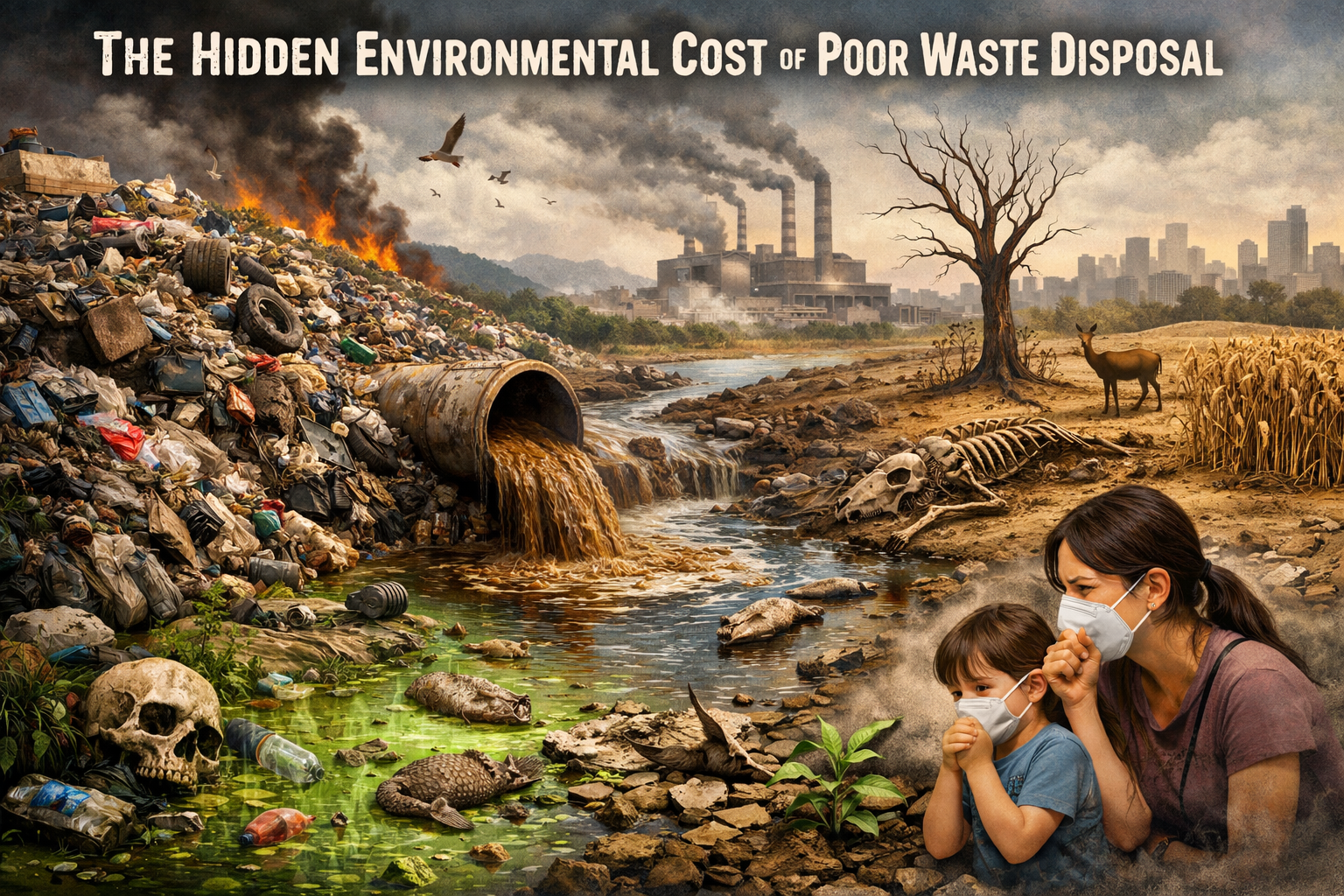
Once waste is disposed of, no one really thinks about where it will end up. It usually moves from homes to landfills, streets, water bodies, and even open dumping grounds. Unfortunately, most waste is disposed of poorly and quietly damages the environment in ways that are easy to ignore but hard to reverse.
We at Manav Vikas Sanstha (MVS India), an ISO 9001-2015 (QMS) certified Jaipur-based NGO, often regarded as one of the Top Environmental NGOs in India, believe that only when people realise the hidden costs of poor waste disposal, they’ll understand why proper waste management is not just a government responsibility, but a shared one. It’s one of the reasons we launched Project ZERO to promote healthy waste management practices among the masses.
If you’re wondering what environmental damage poor waste disposal causes and how our Project ZERO is working to reduce its impact, you must read the full blog post.
When Waste Stops Being Just a Cleanliness Issue
Poor waste disposal may look like a cleanliness or civic problem. People may treat overflowing bins, littered streets, or open dumping grounds as eyesores, but the real issue runs much deeper.
When waste is dumped without segregation or safe treatment, it becomes an environmental hazard. Organic waste decomposes, releasing harmful gases. Plastics break down into micro-particles that stay in the environment for decades. Electronic waste contains toxic metals that leach into soil and water. When all of this waste is mixed and dumped together, it creates a chain reaction that affects land, water, air, and living beings.
Soil Damage: Pollution That Stays Long After the Waste is Gone
One of the earliest victims of poor waste disposal is soil. In unmanaged dumping sites, rainwater passes through layers of waste, forming a toxic liquid called leachate. This liquid carries chemicals, heavy metals, and harmful bacteria into the ground.
Over time, contaminated soil loses its fertility. Plants in these areas begin to struggle to grow. Even farmland near dumping areas becomes unsafe for cultivation. Once crops absorb these toxins, they naturally enter the food chain over time. It affects people even if they live far away from the original dumping site.
What seems like a local waste problem quietly becomes a regional environmental and health concern. To prevent it, our team under Project ZERO is developing a robust collection, segregation, and recycling infrastructure to efficiently handle waste in urban, semi-urban, and rural areas.
Water Pollution: From Drains to Rivers to Drinking Water
Poor waste disposal directly affects water resources. Waste thrown into open areas often ends up in drains during rainfall. These drains flow into rivers, lakes, and, eventually, groundwater reserves. Plastics clog waterways, while chemicals and waste seep into water bodies.
Groundwater contamination is particularly dangerous because it’s invisible. As a result, communities relying on borewells or handpumps may unknowingly consume polluted water, damaging their health.
Once groundwater is contaminated, cleaning it becomes expensive, slow, and sometimes nearly impossible. This makes water pollution one of the most long-lasting environmental costs of poor waste management.
Air Pollution and Climate Impact
Open burning of waste is still common in many areas. While it may seem like a quick solution to reduce waste volume, burning waste releases toxic fumes into the air. Plastics, electronic waste, and mixed garbage emit harmful gases that affect respiratory health and contribute to air pollution.
Poor waste disposal also plays a crucial role in climate change. Not many are aware of this, but when organic waste decomposes in landfills in the absence of oxygen, it ends up producing methane. This greenhouse gas is far more potent and traps much more heat than carbon dioxide. Over time, such dumping sites turn into significant contributors to climate change, even though they rarely feature in climate discussions.
Our team at Manav Vikas Sanstha (MVS India), one of the Best Environmental NGOs in India, is actively working to tackle this issue through our Project ZERO by developing the following facilities:
- Collection Centres
As part of Project ZERO, we’re establishing and expanding e-waste collection centres across urban, semi-urban, and rural areas to facilitate safe, easy waste disposal. This step will significantly control environmental pollution.
- Recycling Facilities
We are also setting up and upgrading certified recycling and refurbishing facilities to handle e-waste efficiently and safely.
Project ZERO: Bridging the Gap Between Awareness and Responsibility
We at Manav Vikas Sanstha (MVS India) have observed that in most cases, environmental damage caused by poor waste disposal is not deliberate but due to a lack of awareness and systems. This is what our Project ZERO addresses.
Under Project ZERO, waste is not treated as a problem. Instead, it is approached as a resource that needs structured handling, awareness, and accountability. This project currently focuses only on plastic and e-waste – two waste categories that cause the greatest environmental harm when disposed of randomly.
Its approach combines community education, organised collection systems, partnerships with certified recyclers, and the formal inclusion of waste workers. This holistic approach ensures that waste isn’t just collected properly. It ensures that it’s safely processed and recycled in an environmentally responsible way.
Turning Environmental Risk into Sustainable Practice
What people appreciate about Project ZERO the most is that it doesn’t rely on one-time interventions. Instead, it develops long-term systems that can sustain themselves, bringing incredible results year after year.
If you explore this project, you’ll realise that the project encompasses awareness campaigns explaining why waste segregation matters. Additionally, we organise collection drives that make disposal convenient and run workshops/seminars that equip waste pickers with safer waste collection methods and formal recognition. Also, Project ZERO supports circular economy practices, where waste re-enters the system as value rather than pollution.
Conclusion
The environmental costs of poor waste disposal are layered and very difficult to reverse in most cases. Their effects are persistent and far-reaching. The price is paid by our ecosystems, our communities, and even our future generations won’t remain untouched.
This is why we at Manav Vikas Sanstha (MVS India), listed among the Best Environmental NGOs in India, took it up as our mission to minimise the issue of poor waste disposal in over 15+ Indian states and union territories through Project ZERO. We are committed to building healthier, cleaner environments, and Project ZERO is one of our initiatives in that direction.
If you want to join us in our mission to protect the planet from irresponsible waste disposal, we urge you to volunteer for our Project ZERO. You can also donate to our cause or become our project partner.

All Categories
- Annual Reports (1)
- News (21)
- Projects (9)

Tags
+0123 (456) 7899
contact@example.com